Thesavagepoker.com Checklist Prep: Building Your Pre-Session Questions Before You Play
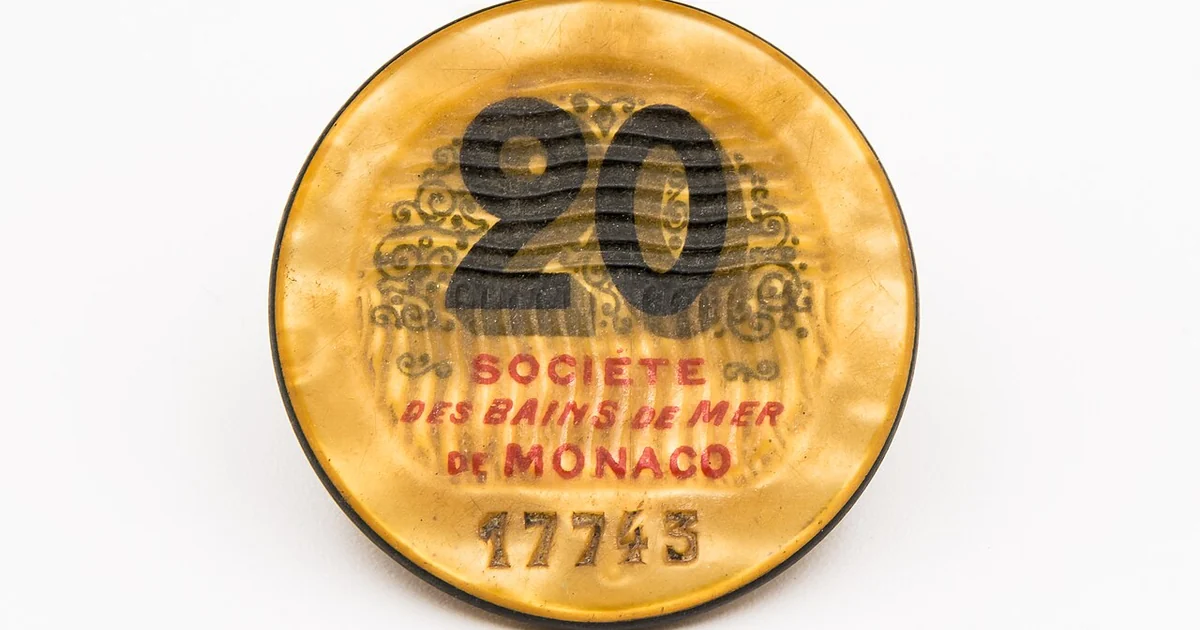
Thesavagepoker.com is a poker-focused website, and like any poker resource, its usefulness depends on what you bring to it. The most common mistake players make is treating a checklist as a list of generic reminders, such as play tight or watch position. A better approach is to build a checklist from your own recent sessions, so every item addresses a decision you have actually struggled with. This article walks through how to prepare that kind of checklist, what to ask before you rely on any resource, and how to test whether a checklist is worth keeping.
Start With Your Last Five Sessions, Not With Advice
A useful pre-session checklist begins with evidence. Pull together notes or hand histories from your last five sessions, whether you recorded them in a spreadsheet, a notebook, or a tracking tool. You are looking for patterns in your own decisions, not in someone else's strategy.
For each session, write down three things: the hands where you felt uncertain, the hands where you later realized you made a mistake, and the moments where your emotional state seemed to affect your choice. Uncertain hands tell you where your knowledge is thin. Mistakes tell you where your knowledge is present but not applied. Emotional moments tell you where your process breaks down under pressure. Each category points to a different kind of checklist item.
Convert Patterns Into Specific Questions
Once you have a list of recurring problems, rewrite each one as a question you can answer quickly before sitting down. Vague items like be more disciplined are hard to act on. Specific questions work better: Am I calling a raise from a position where I have repeatedly folded to aggression? Have I set a stop-loss point before I sit down? Am I playing a table where I have already lost my usual buffer?
Keep the list short. Three to five questions is usually enough. A checklist with twenty items will be skipped by the time you reach the table. The goal is a checklist you can scan in under a minute and still remember at the second hour of a session.
Questions to Ask Before Trusting Any Poker Resource
Before you build your checklist around material from any website, including thesavagepoker.com, ask what the resource actually covers. Does it explain the reasoning behind its suggestions, or does it only list conclusions? A resource that shows its reasoning lets you test the advice against your own hands. A resource that only issues conclusions asks you to accept them on faith.
Next, ask whether the material matches your stakes, game type, and format. Advice written for one structure may not transfer to another. Check whether dates, examples, or references are clear enough for you to evaluate them, and whether the page tells you what it does not cover. Finally, ask what you would do differently after reading. If you cannot name a concrete action, the resource may be entertaining but not useful for your study plan.
A Simple Comparison: Generic Checklist Versus Session-Based Checklist
A generic checklist might include items like manage your bankroll, stay patient, and respect your opponents. These are not wrong, but they are hard to check. You cannot easily tell whether you followed them, and they do not change based on how you have been playing.
A session-based checklist might include: Did I stop after losing two buy-ins last week? Did I track position when I opened from the cutoff? Am I re-entering tables I left in frustration? Each item can be answered yes or no, and each one traces back to a specific moment in your own play. Over several weeks, you can see which items you answer yes to consistently and which ones keep failing. Those failing items deserve more study time than the ones you already handle.
Testing and Retiring Your Checklist
A checklist is a tool, not a permanent rule set. After two to three weeks of use, review it. Mark items you have answered correctly most of the time and consider removing them, since they have become habits. Mark items you still miss and ask whether the question is specific enough, or whether the underlying problem needs its own study plan.
Add a new item only when a recent session reveals a new pattern. This keeps the checklist tied to current play rather than to a memory of past problems. A checklist that changes slowly and reflects your actual sessions will serve you far better than one copied from a list of general tips.